
Executive English Coach Charles Richardson answers top questions on accent softening, communication presence, and mastering the 5Ps for leadership clarity
aCategory Archives: Accent Softening
Contractions – It’s a must!

Why Contractions Are Important in English Contractions are shortened forms of words or groups of words where letters are omitted and replaced by an apostrophe (’). For example, “do not” becomes “don’t”, and “I am” becomes “I’m”. They are a natural and essential part of everyday English, especially in speech and informal writing. 1. They […]
Accent Tips for Important Minimal Pairs

Minimal pairs can be like tricky little landmines for many non-native speakers learning English because they involve pairs of words that differ by only one sound, which can lead to some confusing misunderstandings. Why? alot of languages worldwide don’t have as many vowel sounds as English, so some distinctions in English just don’t exist in […]
She or See – An Accent Tip for Greek Speakers of English
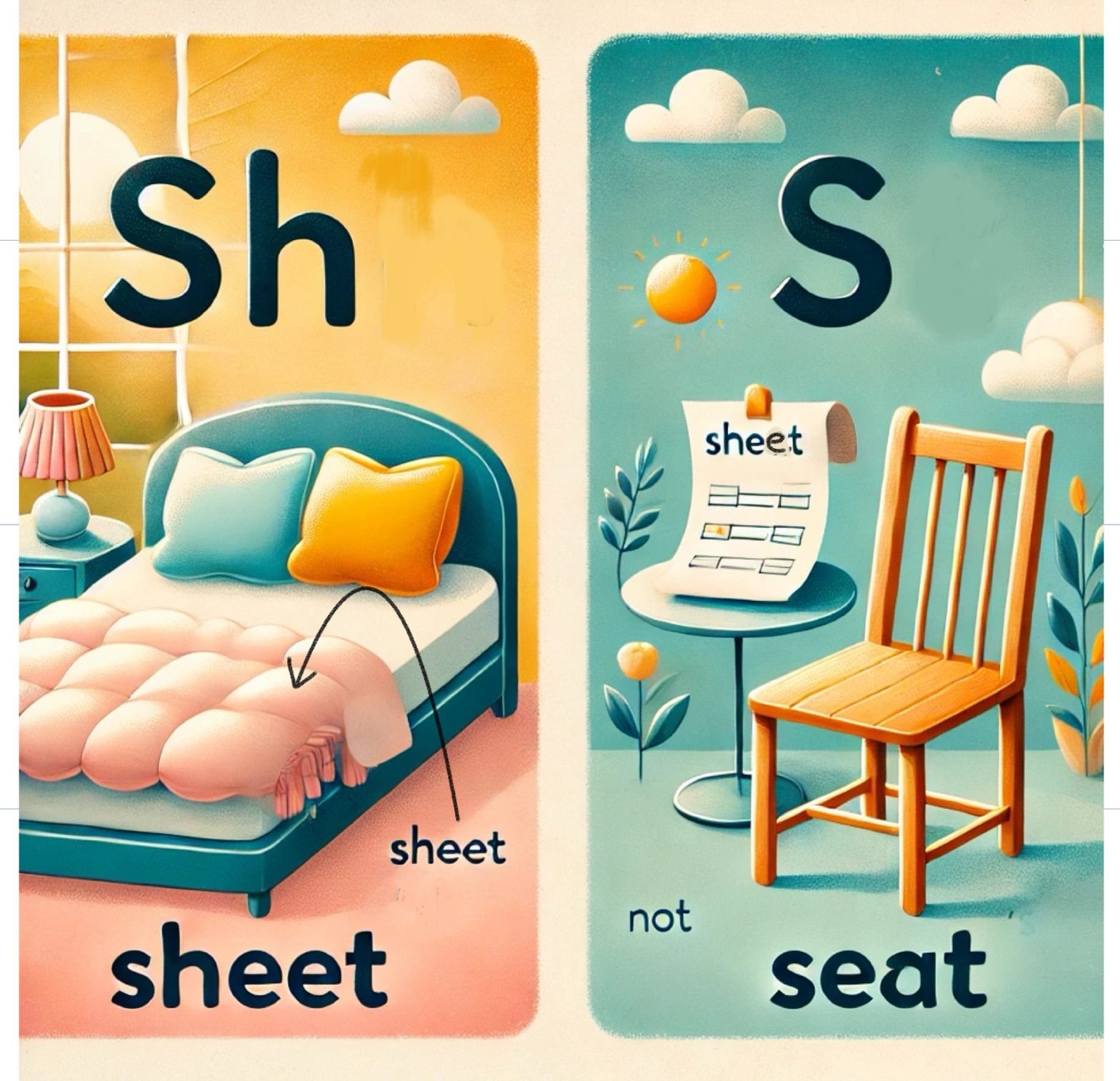
The “sh” and “s” mix-up among Greek speakers — particularly when speaking English or other foreign languages — stems from phonological differences between the Greek language and others, such as English. In my experience working with many Greek professionals, this mix-up has been one of the biggest obstacles for them. For example, I have a […]
The Power of Phonetics in Accent Softening

One area that often stumps learners is pronunciation. English has a unique sound system that doesn’t always match its spelling rules, making it difficult to guess how words are pronounced just by looking at them. This is where phonetics comes in as a powerful tool to help learners understand and improve their pronunciation. Why Phonetics […]
Can and Can’t

Can vs. Can’t: A Common Pronunciation Trap In British English — particularly in Modern Received Pronunciation (MRP), the clear, neutral accent often associated with educated, well-spoken English — we make a distinct difference between “can” and “can’t” using vowel length, mouth and tongue shape. Many of my clients find that when speaking with UK natives, […]