Accent Softening
Accent Tips for Important Minimal Pairs
Minimal pairs can be like tricky little landmines for many non-native speakers learning English because they involve pairs of words that differ by only one sound, which can lead to some confusing misunderstandings. Why? alot of languages worldwide don’t have as many vowel sounds as English, so some distinctions in English just don’t exist in those languages—and that’s where the fun (or frustration) begins!
Classic Trouble Spots
- /ɪ/ vs /i:/ (ij)
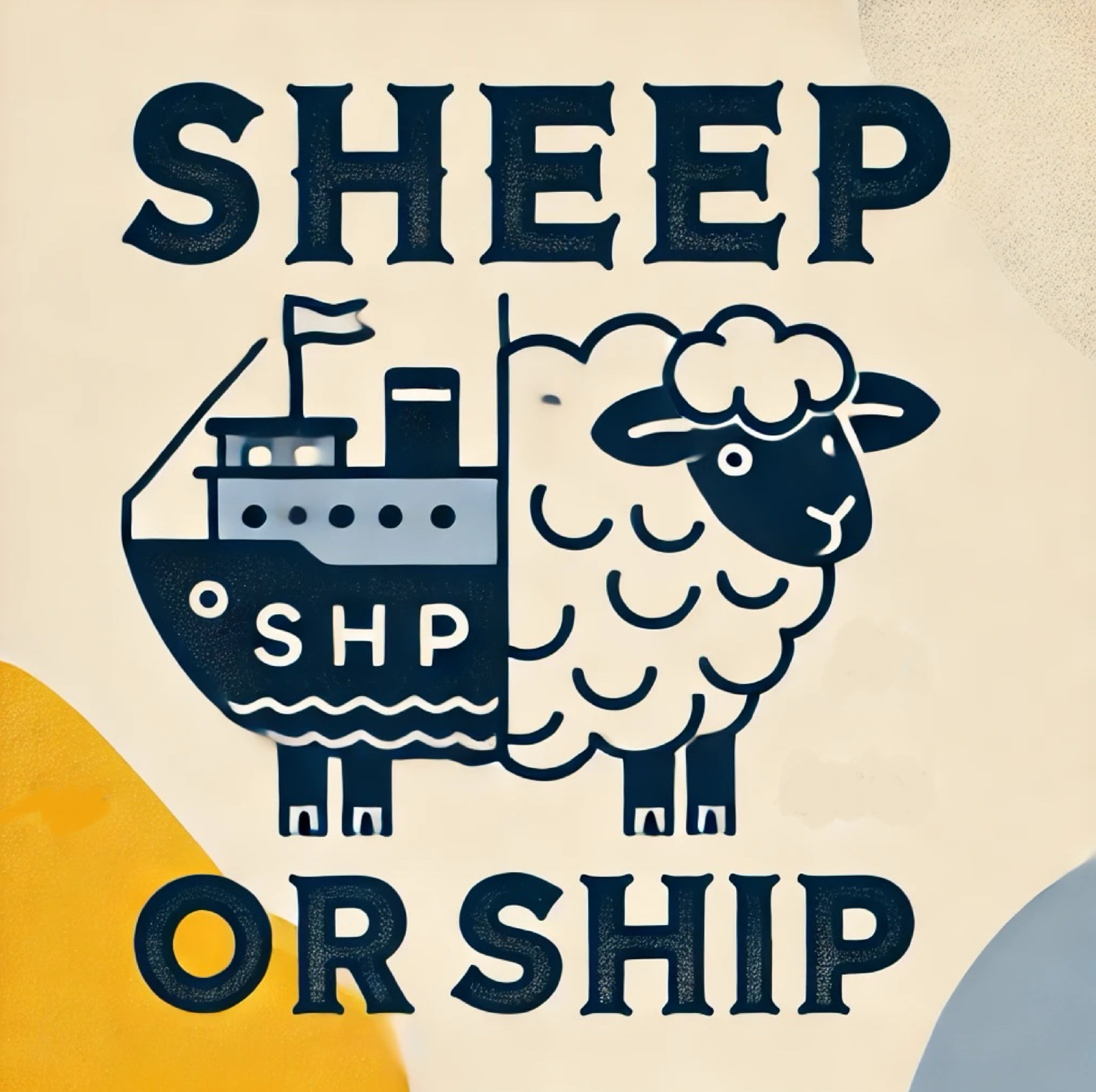
- Ship vs. Sheep
- If you mix these up, suddenly the Titanic isn’t sinking— instead, it’s a fluffy cute farm animal that’s sinking!
- Ship vs. Sheep

- /æ/ vs /ʌ/
- Cat vs. Cut
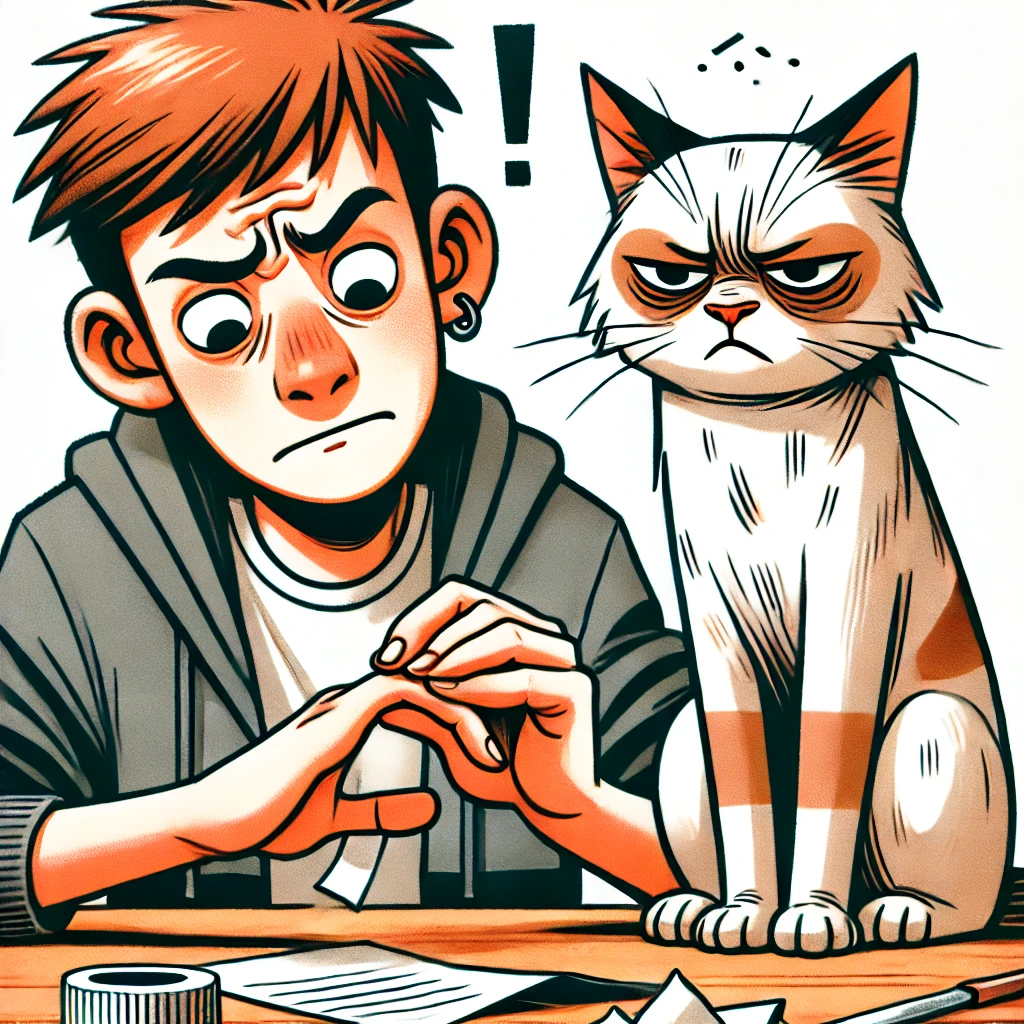
- “My cat is annoying” might make people wonder if you’re talking about a paper cut instead of a furry feline.
- Cat vs. Cut
- /ɒ/ vs /ʌ/
- Sock vs. Suck
- Imagine asking someone if they’ve seen your “suck”… uh, awkward!
- Sock vs. Suck

- /ʊ/ vs /u:/ /uw/
- Foot vs Food
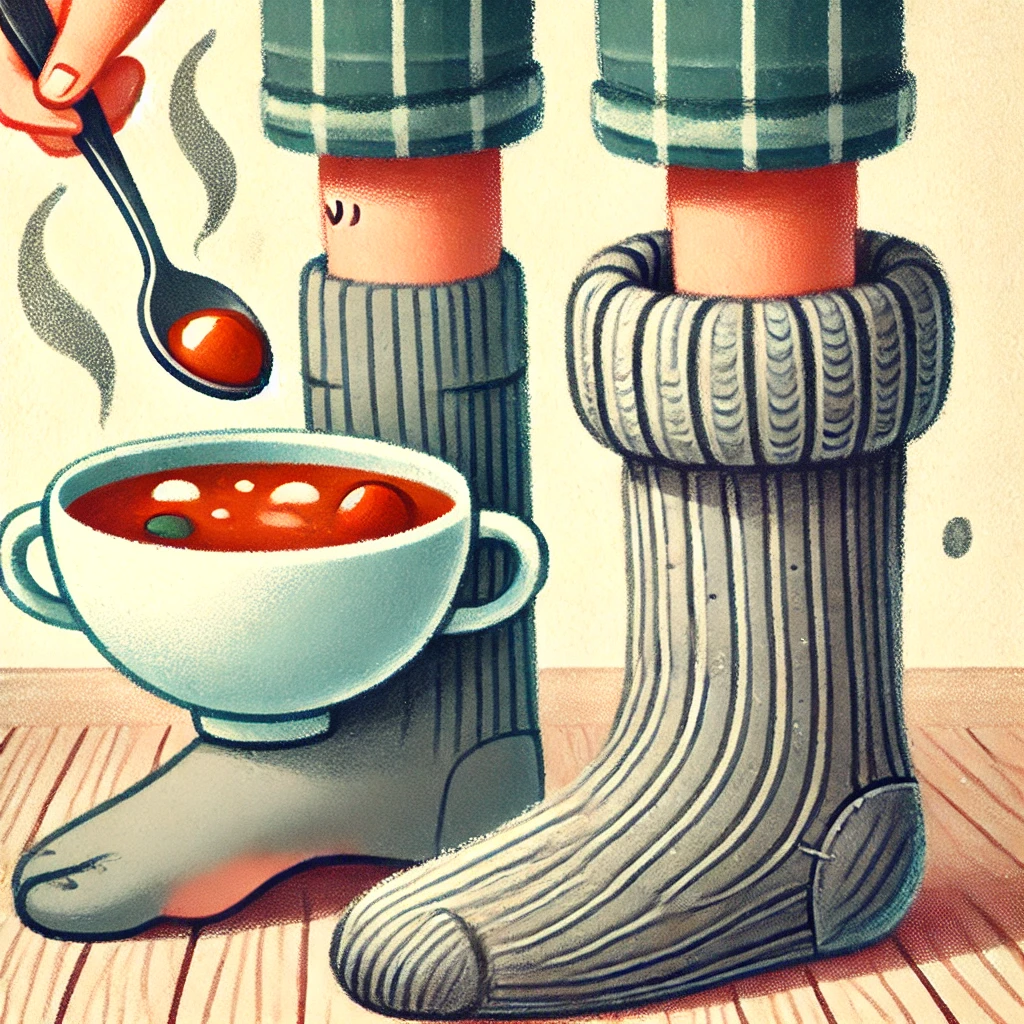
- If you say “my food is hot” with a short /ʊ/ , it may lead people to think you have one thick sock on “My foot is hot”
- Foot vs Food
Why Does This Happen?
In many languages:
- Vowels are very stable and straightforward. You’ve got a, e, i, o, u, and they don’t change much in length or quality.
- English, on the other hand, has a party going on with vowels: 20+ distinct sounds, including short vowels, long vowels, and diphthongs (2 combined short vowels like /AI/ “hay” in Spanish). To the non-native ear, some of these differences just sound the same at first, so it’s really important to be able to hear the differences. Listen to these minimal pairs for the phonetic sounds ɪ/ vs /i:/ (ij). Can you hear the tongue movement in the (ij)?
- bit vs. beat, sit vs. seat, hit vs. heat, live vs. leave, fill vs. feel, ship vs. sheep, his vs. he’s ,fit vs. feet, dip vs. deep, lick vs. leak, rich vs. reach, miss vs. meese, slip vs. sleep, hill vs. heel, tin vs. teen
Real-Life Confusion
Imagine this scenario:
- A Spanish speaker says (for example) , “Can you bring a sheet of paper?” but pronounces it with a short /ɪ/ as sh#t
- Their English-speaking friend, horrified: “Bring WHAT?!”
Or:
- They say, “I need to buy a beach towel,” but relax the /i:/ (ij) in beach too much, and… well, you get the idea.
Tips
- Practice minimal pairs.
Listen and repeat words like ship/sheep or cat/cut until you can hear the difference. You could ask a native (or even AI) if they can tell the difference. - Feel the sounds.
Short vowels like /ɪ/ (in ship) are quick and relaxed. Long vowels like /i:/ (ij) (in sheep) are tense or, as now thought, there is an extra movement like (i-j). Pay attention to how your tongue moves; especially as the mouth is not always the best indicator. - Phonetic Training:
Accent coaches often use visual aids and diagrams to help learners understand tongue placement and mouth shape. - Ask for feedback.
Native speakers often love helping out—and they’ll probably enjoy laughing with you, not at you, about any funny mix-ups!
With time and practice, minimal pairs can go from being a source of confusion to a fun reminder of how quirky English is.